 Biblical Studies
Jerusalem Rejected the Gift
Matthew 2's shocking image of Kings and Priests rejecting God's gift: how worship continued while the city refused the Messiah, and what that means today.
Christmas is over. The gifts have been opened. Some were exactly what people wanted. Some will get returned next week.
I preached on Matthew 2 for Christmas Eve, focusing on Herod's attack on Jesus. The sermon ended on rejected gifts - how Jerusalem gave thanks to God while sneering at the gift he actually gave them. That idea keeps sitting with me, so I wanted to write it out.
Matthew 2:3 says Herod was troubled when the Magi showed up asking about the newborn king. Then it adds: "and all Jerusalem with him."
The Greek is μετ' αὐτοῦ - "with him." Not "because of him." Jerusalem wasn't just nervous about Herod's potential violence. The city was troubled alongside Herod, sharing his disturbance at the Messiah's arrival.
The City That Had Everything
Jerusalem had the Temple. The priesthood. The sacrificial system. The scrolls of Moses and the Prophets. Daily sacrifices. Sabbath observance. Festivals. Prayers. The dwelling place of God.
They gave thanks to God constantly. That was the point of the whole system - acknowledging God's provision, his deliverance, his covenant faithfulness. Every sacrifice said "thank you" to God. Every feast remembered what God had done.
Herod wanted to be Jewish. He rebuilt the Temple on a scale that would have made Solomon jealous. He positioned himself as defender of Jewish faith. He wanted the legitimacy that came with being God's chosen people.
The Pharisees knew Scripture. They tithed meticulously. They fasted. They prayed. They maintained ritual purity. Their entire identity was built on being the faithful remnant who actually took God's word seriously.
And when God showed up - when he gave them the ultimate gift, the fulfillment of everything the sacrifices pointed to, the Messiah they claimed to await - they rejected it.
Worship Without Receiving
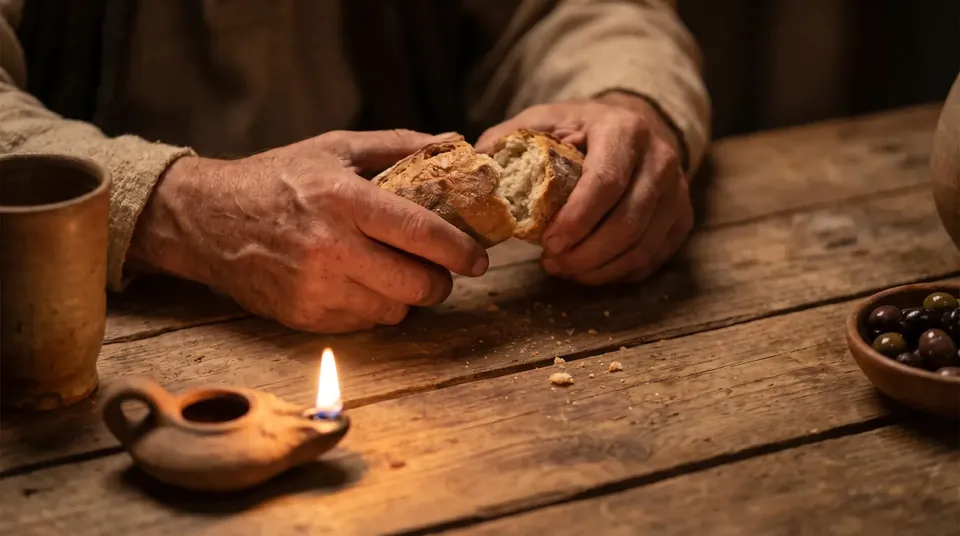
This is what makes Matthew 2:3 so devastating. Jerusalem didn't stop worshiping when Jesus was born. The sacrifices continued. The prayers continued. The religious activity continued.
They just didn't want the gift God was actually giving them.
Gentile Magi traveled from the East following a star to worship Israel's king. They brought gifts. Gold, frankincense, myrrh. They came to receive what God was offering.
Meanwhile, Jerusalem - the city built around receiving from God - was troubled by the gift's arrival.
Think about that disconnect. You can maintain all the forms of worship, all the expressions of gratitude, all the religious activity - and completely reject what God is actually giving you.
Jerusalem wanted God on their terms. They wanted the blessings. The protection. The favor. The identity as God's people. But when God gave them himself, when the Word became flesh and showed up in Bethlehem, the city that housed God's Temple said no.
The Pattern Throughout Matthew
This isn't an isolated moment. Matthew's entire gospel shows Jerusalem's religious establishment continuing their worship while rejecting Jesus.
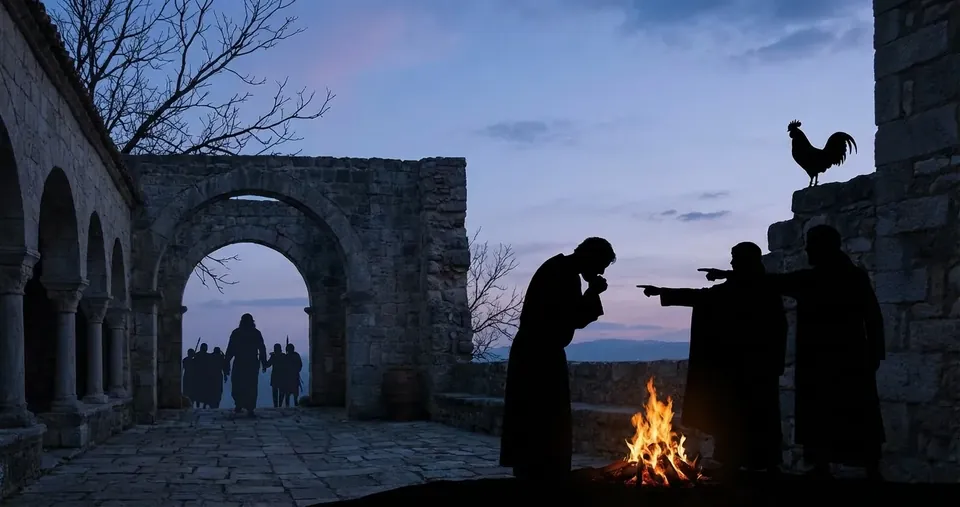
They're still doing sacrifices while accusing Jesus of blasphemy. Still observing Sabbath while condemning him for healing on it. Still teaching Scripture while plotting to kill the one Scripture pointed to.
Matthew 23 makes it explicit. Jesus pronounces seven woes on the scribes and Pharisees - the religious professionals who spent their lives in Temple worship. "You tithe mint and dill and cumin, and have neglected the weightier matters of the law: justice and mercy and faithfulness."
They were meticulous about religious performance. They just didn't want what God was actually offering.
By Matthew 27:25, the whole city takes responsibility. When Pilate washes his hands, "all the people" respond: "His blood be on us and on our children." Jerusalem officially rejects the gift. And the religious activity continues right up until 70 AD when Rome destroys it all.
Taking God for Granted
There's a particular kind of arrogance that comes from proximity to God's blessings. Jerusalem had received so much from God that they assumed they could dictate the terms of continued receiving.
They wanted a Messiah who would validate their system, confirm their authority, work through their channels. When God sent a Messiah who threatened their power structure and challenged their traditions, they rejected him.
But they kept worshiping. Kept giving thanks. Kept making sacrifices. They took God for granted while rejecting his Son.
This is the real danger of religious systems. You can get so comfortable with the forms of worship that you miss the substance. So focused on maintaining your traditions that you reject truth when it shows up. So invested in your theological systems that you choose them over God himself.
The Pharisees gave thanks to God. But when God gave them his greatest gift, they killed it. And they did it in the name of protecting God's truth.
What This Means for Us
We do the same thing. We pray prayers of thanksgiving. We sing songs about God's goodness. We talk about receiving from God. Then God gives us something we didn't ask for, something that challenges our expectations, something that threatens our comfortable religious systems - and we reject it.
We want God's blessings without God's terms. We want his gifts without his authority. We want to worship him while maintaining control.
Jerusalem proves you can have all the right religious credentials and still reject Christ. You can know Scripture, maintain orthodoxy, practice spiritual disciplines, participate in worship - and completely miss what God is actually doing.
The Magi had less knowledge, less access, less religious pedigree. But they sought what God was offering. They received the gift. They worshiped.
Jerusalem had everything and rejected the one thing that mattered.
After Christmas
We just spent a season celebrating God's gift. Now comes the test of whether we actually received it or just went through the motions.
Do we want Jesus as he actually is, or do we want a version we can control? Do we receive what God gives, or do we reject anything that doesn't fit our expectations?
Jerusalem kept worshiping while rejecting the gift. That's always the temptation. Religious activity feels like faithfulness. But if we're not actually receiving what God offers - if we're sneering at the gift while saying thank you for the idea of gifts - we're just Jerusalem all over again.
God gave his Son. Jerusalem said no. The question is whether we'll do better.
God bless, everyone.
References
New articles by email
Occasional notes on biblical studies, translation, and what’s new in the Anselm Project.